

Starting a podcast seems straightforward enough, until you are actually the person responsible for making it happen. Suddenly the questions start piling up. What are we going to talk about? Who is going to listen? Do we have the time and resources to keep this going? And how will we know if it is working?
Good news: You are starting in the right place. The following questions will help you figure out whether a podcast is the right move for your organization and, if it is, how to build one that lasts. Answer them thoughtfully and honestly, and you’ll have a pretty good idea about whether this is the journey for you.
Key Takeaways: What You’ll Learn
- How to tell whether a podcast fits your organization’s purpose, and which priorities lead to lasting success.
- How to define a specific target audience and use that profile to guide content decisions.
- What a realistic definition of podcast success looks like, and why download counts alone are a misleading measure.
- What it takes to publish consistently, including how much content and planning to have in place before launch.
- How long to give a new show before evaluating whether it’s working.
1. Why do I really want a podcast?
This is the first and most important question to ask yourself before you start a podcast. It is not a philosophical question, but a practical one: What do you want this show to accomplish for you or your organization?
A podcast is not a strategy on its own — it is a platform. And like most platforms, it delivers results when used with the right purpose. Thought leadership, community engagement, customer education and brand storytelling are all goals a podcast can genuinely support. Vanity is not. The clearer the purpose, the easier every other decision becomes, including whether you should start one at all.
2. What do I have to say that someone would actually care about?
We are all generally fond of our own opinions, but to build a podcast audience, we need to bring value to the conversation. Determining what that is can sometimes be challenging. What knowledge, experience or perspective do you or your guests offer that others don’t or can’t? What will keep a listener coming back episode after episode?
It is important to remember that a podcast should be made with the target audience in mind, not just for the organization producing it. The content should educate, inspire or engage the specific people you are trying to reach. Even on a crowded topic, a show with a genuinely distinct point of view and a real commitment to serving its listeners will find an audience. Otherwise, you can just record voice memos and play them back later for yourself.
3. Do I have the time and resources to see this through?
The production process for a single podcast episode typically involves scheduling, recording, editing, writing show notes, creating promotional assets and publishing to a hosting platform. Multiply that across a weekly or biweekly schedule, and it adds up.
Before launching, make sure everyone involved, especially leadership, understands what is required and is genuinely committed to supporting the show for the long haul. The most common reason podcasts stall is not poor content or bad audio, it is that the people who approved the idea did not fully understand the ongoing commitment, and support dried up before the show had a chance to find its footing.

4. How will I define success?
First, success should not be measured by numbers alone. According to Buzzsprout, a podcast that averages 27 downloads in the first seven days in doing better than 50% of active podcasts. For most small businesses, reaching a few hundred engaged, relevant listeners on a regular basis is genuinely valuable and entirely achievable. Think about how much you would appreciate the opportunity to speak to 25 to 50 engaged listeners gathered in a room to hear what you have to say.
The right framework for measuring podcast success is not the size of the audience but the quality of it. A podcast that regularly reaches the right people and gives them something useful is doing its job. Downloads matter, but so do the conversations a show creates, the credibility it builds and the community it develops over time. Define what success looks like before launching and make sure everyone involved agrees.
All that said, those investing in your podcast will want to see who’s listening, so know your metrics and be open to a pivot if you are not seeing growth over time.
5. Who is the audience I want to reach?
Defining a target listener in specific terms is one of the most important investments you can make before launching. You have to go deeper than “small business owners” or “people interested in health.” Instead, develop a detailed profile of a specific person, with demographics, interests, behaviors and motivations. Give that person a name. Make every content decision with them in mind. The more precisely you define the listener, the more focused and effective your show will be.
6. Should my podcast focus on a niche or general audience?
This is a decision that affects everything about your podcast from content strategy to audience size. A locally focused podcast can create deep, loyal engagement, but its reach will always have geographic limits. The How I Got Here podcast is a good example — it focuses on Tallahassee leaders and their stories, which means the core audience is local by design. However, a niche podcast built around a specific topic or industry, such as pet grooming or college football, has no geographic ceiling and can attract listeners nationally or internationally.
Both are valid approaches, but they lead to different content strategies, marketing and definitions of success. Know which audience you are building before you start.
7. Who is my competition?
Before launching your podcast, research shows that already exist in your space. Look for the content gaps, including the angles and conversations that are not being covered well, and build the show around those opportunities. If a topic is well-covered by other shows with more resources and larger audiences, that does not mean you cannot enter the space, but you may need to think carefully about what makes your show different. That differentiation is where the most interesting podcasts tend to live.
8. How often can I realistically publish?
Publishing weekly is ideal for audience building. Listeners develop habits around a consistent schedule, and a weekly cadence keeps the show top of mind. But that schedule can be incredibly demanding, especially when considering guest management, script writing, getting approvals and production time. Biweekly shows work well for many organizations and are more sustainable over time. Publishing monthly may be more schedule-friendly, but it makes it harder to build momentum and audience numbers quickly. If podcasting is not your full-time job, you just have to consider the pros and cons of each option.
Whatever the cadence, the goal is to pick one schedule and stick to it. An audience that knows when to expect a new episode is an audience that keeps growing.
9. Do I have enough content for at least six months of episodes?
Publishing consistency is what builds a podcast audience over time, and consistency requires a plan. Before recording the first episode, map out at least six months of topics, potential guests and themes. The plan does not have to be finalized, but having clear content direction from the start makes it much easier to publish on a consistent schedule. It also helps to get some informal feedback from colleagues or trusted contacts before committing — share the concept and a few episode ideas, and see what resonates.
10. How do I actually start a podcast?
The technical side of podcasting is more accessible than many people expect. It can feel like a maze of equipment, software and file requirements, but in practice a podcast launch can be broken down into a sequence of steps. Tackle them in order and the process will prove manageable and even rewarding.
A few of these steps cost money or take real time, so it helps to know the full picture before you begin. The roadmap below provides the sequence we follow when launching a new show:
- As you might expect, it is important to start with the basics. First, develop the concept, name and show format/flow. Think about if you want guests, how long the show might be and the style or tone of the content. When choosing a name, make it descriptive and easy for listeners to find in Google or a platform search engine such as Apple or Spotify.
- Build a show content plan. Map out your themes, episode topics and guest targets for the first six months so you can publish on a predictable schedule.
- Create the show artwork. Google “great podcast cover art” to get ideas. Podcast art is unique in that it has to be square and comply with specific requirements, including size (3,000 x 3,000 pixels), RGB color space and 72 dpi resolution. If you don’t know what that means, get some graphic design help or use Canva.
- When you start the production process, first develop an audio show template that can be used for every episode. It will include your intro and outro, any music, ad placements and a consistent structure that will make creating each episode a lot easier.
- To publish your podcast, you need to set up an account with a podcast streaming (hosting) service. No matter which platform your listeners choose to consume your podcast, it comes from this source. There are many good options, including Libsyn, Buzzprout, Podbean and Blubrry. They usually cost around $25/month.
- To get your show on the major podcast platforms, you need to submit it manually. The process is not difficult, but they do make you jump through a few hoops. Here is a link to walk you through the Apple submission process. Once that is done, you can choose your destinations in the podcast hosting service, and you are ready to go.
- While it is not mandatory, it is a good idea to create a website page with a template for posting episodes. This gives every episode a permanent home, allows visitors to listen directly from the page and supports your broader search and marketing efforts.
- Finally, if you are recording guests remotely, you will need a program created to capture good quality audio and video with files recorded locally so they are not dependent on perfect WIFI. A popular option is Riverside, which is similar to Zoom but built specifically for podcasts. It also offers a lot of additional features to make editing and promotion much easier.
As you can see, the technical part of launching a podcast does involve a few steps, but they are all doable. If you hit a roadblock, research the issue or join an online podcasting group on Facebook or Reddit. There are plenty of podcasters who would be happy to help guide you toward a successful launch.
11. How crucial is sound quality?
Sound quality is important, but striving for perfection is not worth obsessing over. The goal is to deliver a clean and professional sound without unnecessary distractions to the listener. Your biggest enemies are an echoey room, an old laptop fan or an overzealous neighbor with a backpack blower.
If you stick with an external dynamic microphone, use a small room with soft surfaces and take a few minutes to eliminate background noise and your show will be in great shape. If possible, don’t depend entirely on editing to remove noise. Getting a clean recording will always produce the best results.
For remote interviews, it helps to send guests guidance ahead of time on using an external microphone, wearing headphones and finding a quiet space. It is a small step that noticeably improves the final product.
12. Do I have all the equipment I need?
A reliable podcast setup does not require a major investment. At its most simple, a good microphone, headphones and a digital recorder or laptop are enough to produce a quality show. For remote interviews, using a platform such as Riverside will make it hard for listeners to tell the difference from an in-studio guest.
Whatever the setup, if you have a guest, it is important to record each speaker on a separate audio track. If you are both on the same track, you lose a lot of control in the editing process. Separate tracks give you control over each voice for balancing levels and cleaning up any individual audio issues.
For a full breakdown of equipment options and tips on creating a quiet recording space, see my blog post, The Right Stuff: Equipment Essentials for Beginning Podcasters.
13. Who is going to handle the production process?
Someone has to own the podcast production workflow: scheduling guests, recording, editing, publishing and promoting episodes on a regular basis. It is important to decide who that is before launching.
For editing your episodes, there are many options. Adobe Audition is the professional standard, Audacity is a capable free option and Descript allows editing by working with the text, which many people find more intuitive. AI tools are increasingly helpful, from generating transcripts, complete with show notes and time stamps, to episode summaries, reducing the time required to finish each episode.
14. How do I promote my podcast?
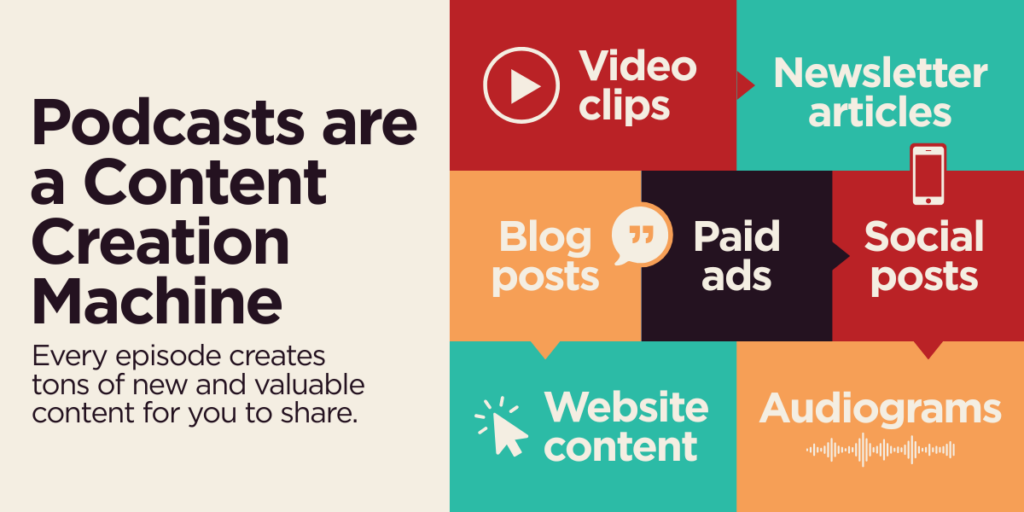
A podcast needs consistent, ongoing promotion to grow. The good news is that a published episode is a rich source of content for a variety of platforms. You can create short video clips, audiograms (short audio clips paired with an animated sound wave designed for social sharing), newsletter features, blog posts, social media and paid digital ads. Each format reaches the audience differently and extends the life of every episode.
It is helpful if your guests are willing to promote their episode as well. When a guest shares their episode with their own network, they introduce the show to an entirely new audience. Make it easy for them to share by providing a shareable link, a suggested caption and a clip or image that is ready to go. They will thank you.
Note that Apple and Spotify have their own search engines. Optimizing show names, episode titles and descriptions for podcast search works a little differently than standard web SEO, and getting it right makes a real difference in discoverability. When practical, name the show with words that communicate exactly what it is about. Clear usually works better than cute.
15. Do I need video for my podcast?
The role of video in traditional podcasting continues to evolve. Once an audio-only platform, podcasting now includes video-first shows, especially from celebrities with millions of weekly viewers. The question is if you, as a creator with a more modest following, are being held back by a show without a significant video presence. The answer is, maybe.
There is no question that a video podcast creates stronger audience connection, performs better on social media and gives each episode more promotional content to work with. Short clips are more shareable than audio, and a single episode can generate a significant amount of content for ongoing promotion.
According to Sounds Profitable, YouTube is now the leading platform for podcast listening even among audio-first listeners. Many of those listeners never actually watch the episode but still discover and play the episodes on that platform. Even uploading audio episodes with a static image can be enough to capture a portion of that audience.
Audio-only podcasts have real advantages, too. They are easier to produce and edit, and they require less of your guests. Audio also creates an intimate, one-on-one listening experience that is unique to audio podcasting. The host can speak directly to each listener with no video distractions, which can be very powerful. Many podcast listeners consume audio while commuting, exercising or running errands in a way they simply cannot with video.
For many organizations getting started, the practical approach is to lead with audio and build short video clips into the promotional workflow from the beginning. That captures most of the benefit of video without the full production burden.
If you are set up for video, go for it. If you are not, don’t let that slow you down in launching your show.
16. How do I grow a new podcast?
The best way to keep your podcast growing consistently is to keep publishing. Every new episode provides an additional opportunity for your audience to know you better. You also need to remain true to your mission and purpose. As mentioned earlier, it is important to create a show for your target audience and not just for yourself. That sounds simple, but it is easy for a host to drift into another content area based on a gut feeling or vanity metrics. So, stay on track.
Take full advantage of tools such as listener surveys, informal feedback and social media comments to gauge what is resonating with your audience. And don’t be afraid to pick up your phone and call a handful of loyal listeners to ask what they like most about the show or what they would miss if it were gone.
For more ideas like these about the value of listener feedback, I strongly encourage you to read the book, “The Audience is Listening” by Podcasting Hall of Famer Tom Webster.
A podcast is a relationship-building tool that provides the host a unique opportunity to build trust and community, which fuels growth. Don’t violate that trust by blindsiding them with an unexpected sales message in the flow of the show. If you want to address listeners with a direct offer for products and services, create host-read ads at the beginning, middle and/or end of the show with a clear break in between. This allows you to take full advantage of your credibility to sell something without blurring the lines between content and sales. It is a proven strategy used by the most successful podcasts.
Also remember that every new episode can drive additional listens to older episodes. Your back catalog grows in value the longer the show publishes, which means promotion is not just about the newest release — it is about keeping the whole library working. Take advantage of opportunities to direct listeners to related episodes they might find interesting — both within the episode and in the show notes. It is a proven and easy way to keep your show growing.
17. How will I track success over time?
It’s natural when launching a new podcast to become obsessed with download numbers. You are excited, and you want everyone else to listen, too. That is exactly why it’s important to give the show a realistic growth runway. Three to six months of consistent publishing is a reasonable timeline before evaluating traction. Track downloads, but also pay attention to other metrics, including website traffic driven by episodes, listener feedback and the conversations and connections the show creates both online and offline.
One metric that does not always align with episode downloads is social media engagement. While great for promotion, likes do not always correlate directly with listens because it is much easier to quickly like a post than to listen to an episode. The most meaningful measure of a podcast’s impact is the presence it creates: the community it builds, the credibility it establishes and the doors it opens over time.
You will likely need numbers to stay in business, but don’t allow the conversation about the success of your show to be measured using only one metric.
18. Should I launch a podcast right now?
We have arrived at the last and maybe most important question. The reason there are so many podcasts in the world is because the barrier to entry is very low. It is not hard to start a podcast. It is far more difficult to keep one going.
To give yourself the best chance of success, lock down these foundational elements: a clear purpose, supportive leadership, a realistic content plan and a commitment to produce and promote that show consistently. Podcasting rewards patience and consistency, and the organizations that approach it that way can build a show that is genuinely durable.
On the other hand, if your show is still in the idea stage without clear direction, the most useful next step is simply to start listening. Find a few podcasts in your space and pay attention to what works, what does not and where the opportunities are. That research tends to answer most of the remaining questions. Then start working on the essentials listed above to give yourself the best chance for success. A show rushed into production faces much longer odds of making it past a handful of episodes.
If you are interested in learning from fellow podcasters and industry leaders in a conference setting, the PodFest Multimedia Expo, held in Orlando every January, is an excellent resource. The annual event brings together podcasters of all experience levels, industry vendors and national speakers to help with everything discussed in this article. It is also a unique opportunity to connect with other creators.
What a Podcast Can Really Do
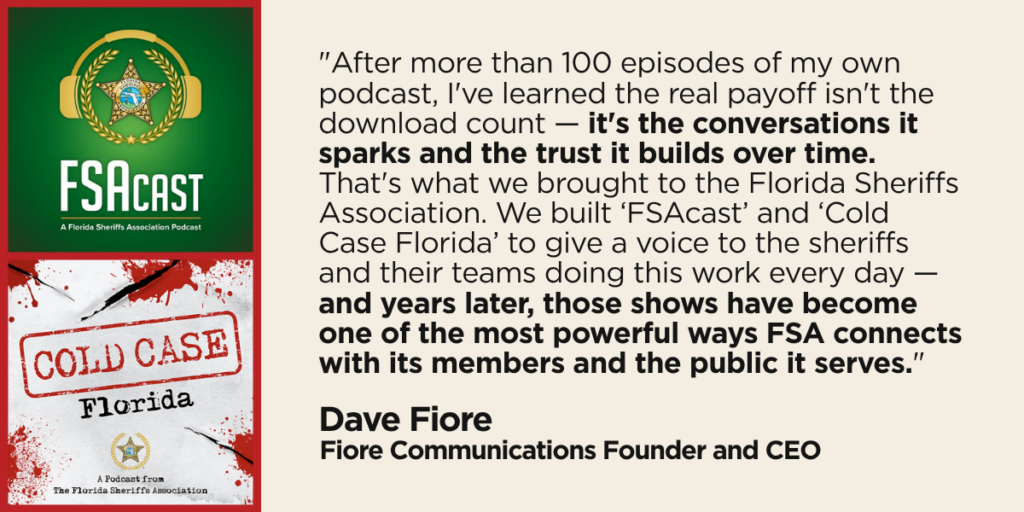
After more than 100 episodes of the “How I Got Here” podcast, what stands out most is not the download numbers, but the community the show has created. It has provided opportunities for conversations at business and civic events, connections with guests and an increased awareness in the community about my company that no other marketing effort has matched. That kind of impact tends to grow quietly and steadily over time.
A podcast built with a clear purpose and a genuine commitment to its audience can do the same for any organization willing to put in the work. The tools are accessible, the audience is there and the opportunity is real.
Trust the Experts
Fiore Communications has helped businesses and organizations tell compelling stories through professional podcasting services since 2020. If you want to host or produce the next great podcast but need help getting it off the ground, our Podcast Launch Package provides everything you need to enter the podcast world sounding like a pro. We also provide ongoing and stress-free production services so you can concentrate on telling your stories.
Ready to build a loyal, engaged audience for your business? Let’s start the conversation. Call (850) 668-0510 or contact us online to get started today.
About the Author