

Marketing to Gen Z audiences can feel unfamiliar — their expectations were shaped by growing up alongside digital platforms that evolved quickly. Small business owners know that this generation matters, but reaching them can feel different from previous marketing strategies. Gen Zers scroll quickly, expect authenticity and quickly disengage from anything that feels overly polished or sales-driven.
This shift matters more than some businesses realize. Gen Z makes up a growing share of consumer spending power and influences purchasing decisions across households, families and social circles. They are not just “future customers” — they are growing up to be active decision-makers.
The challenge is figuring out how to connect with them in a way that feels natural, credible and true to your brand.
Why Marketing to Gen Z Audiences Matters
Gen Z, now aged 14 to 29, has grown up online, so they understand social platforms instinctively and can spot marketing tactics quickly. This makes them discerning and selective about who they engage with.
At the same time, there is a noticeable shift happening. Many Gen Z consumers prefer supporting small, local businesses over large, impersonal brands. Trust in smaller businesses is growing, especially when those businesses show personality, transparency and shared values.
They also research before they buy. Your social media presence, tone and consistency often shape first impressions long before a customer visits your website or walks through your door.
The numbers reinforce this reality. More than half of Gen Z spends four or more hours per day on social media, and 61% say they prefer user-generated or relatable content over polished brand advertisements. For small businesses, that creates both a challenge and an opportunity: You do not need massive budgets to connect, but you do need intentional strategies to reach Gen Zers.
How Businesses Can Market to Gen Z Audiences Effectively
Social media plays a major role in how Gen Z customers discover and evaluate brands, but it is not the only touchpoint that matters. Online reviews, word-of-mouth, in-store experiences, websites and customer interactions all contribute to how they perceive a business. However, social media is often where first impressions are formed — and where trust begins or breaks — making it a critical place to focus.
1. Create Content That Feels Real and Relatable
Gen Z responds to content that feels honest, human and intentional.
A helpful framework is the three E’s — a model that works across generations, but is especially important for Gen Z audiences because they disengage quickly when content feels one-sided or self-promotional:
- Entertain: Capture attention through humor, creativity or personality.
- Educate: Share useful information or insights.
- Encourage: Invite conversation, participation or reflection.
Instead of leading with sales messages, focus on storytelling. Show the people behind your business while using a conversational tone rather than corporate language. And be selective with trends — if something does not align with your brand, it will feel forced.
Gen Z audiences pay close attention to brands that jump on social causes or trends without an actual track record of support. For example, posting about a trending social issue without having supported it before or without backing it up through action can be interpreted as insincere. If your message feels disconnected from who you are, they notice, and they disengage.
2. Keep It Quick and Straightforward
Gen Zers value clarity and speed. They scroll fast and decide just as quickly whether something is worth their attention. Content that gets to the point — without extra fluff or obvious sales language — performs better. Users typically decide whether to engage with social media content within just a few seconds, often around three seconds on Instagram and TikTok, before they scroll past.
Instead of long captions or layered messaging, focus on one clear idea per post. Say what you mean, lead with value and avoid exaggerated claims or buzzwords. Direct, honest messaging feels more respectful of their time and builds credibility far faster than high-pressure sales pitches.
3. Focus on the Right Platforms and Content Types
Gen Zers spend most of their time on platforms that prioritize video and personality. For small businesses, this does not mean being everywhere — it means choosing wisely.
- TikTok and Instagram Reels: Short-form video with quick cuts, humor, trends and behind-the-scenes moments.
- YouTube: Longer-form storytelling, tutorials or educational content.
- Instagram: A mix of short videos, stories and community-driven posts.
- Facebook: While still useful for older audiences, Facebook sees significantly lower engagement from Gen Z audiences, who tend to favor video-first platforms.
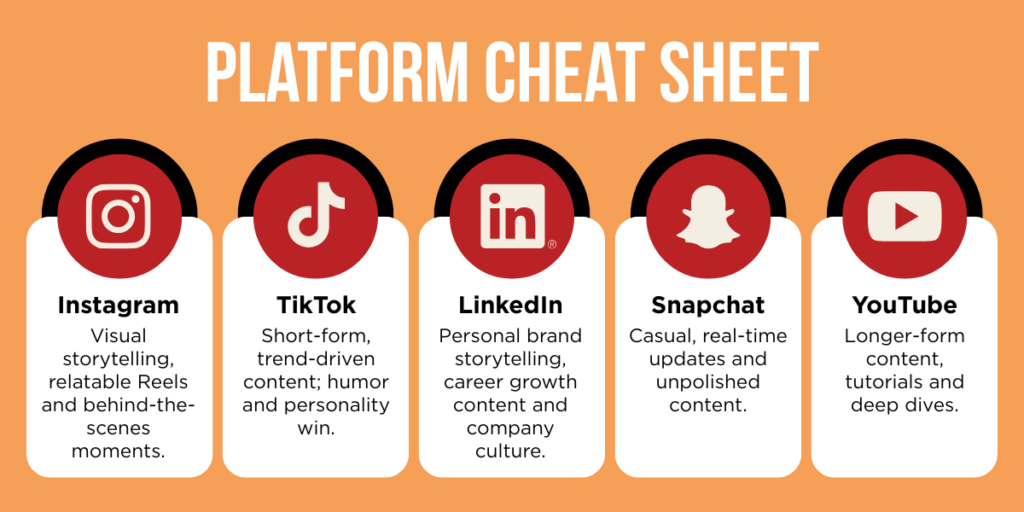
The content that performs best feels personal. User-generated content — content created by customers, followers or community members — behind-the-scenes clips, casual updates and conversational videos resonate more than highly produced brand pieces.
The best-performing posts often feel like something a friend would send in a group chat — timely, relevant and human.
4. Use AI Thoughtfully, Not Carelessly
AI can be a helpful tool for planning and drafting content, but it should never replace human creativity or intention — especially when marketing to Gen Z audiences.
Gen Z values supporting human creators and caring for the environment. Many are aware of the environmental impact of large-scale AI systems and are protective of creative industries. As a result, they pay close attention to how brands use AI. They’re quick to recognize content that feels automated or low-effort, and that can damage trust and turn potential customers away.
The strongest approach is balance. Use AI to support efficiency behind the scenes, but let real people shape the voice, ideas and storytelling. When human creativity leads, your content feels thoughtful, credible and aligned with what Gen Z audiences expect.
5. Build Community, Not Just Visibility
Reach matters, but connection matters more.
Gen Zers value interaction. Responding to comments with personality, encouraging user-generated content and creating posts that invite participation all help build trust. Quality engagement carries more weight than frequent posting without purpose.
Community-building takes time, but it pays off. When people feel seen and included, they are more likely to support your business and share it with others.
6. Avoid Common Mistakes
Many businesses miss the mark with Gen Z customers by relying on outdated tactics. Common pitfalls include:
- Leading every post with a sales message.
- Posting overly polished, corporate-branded graphics.
- Ignoring comments or opportunities to interact.
- Sharing content frequently without offering real value.
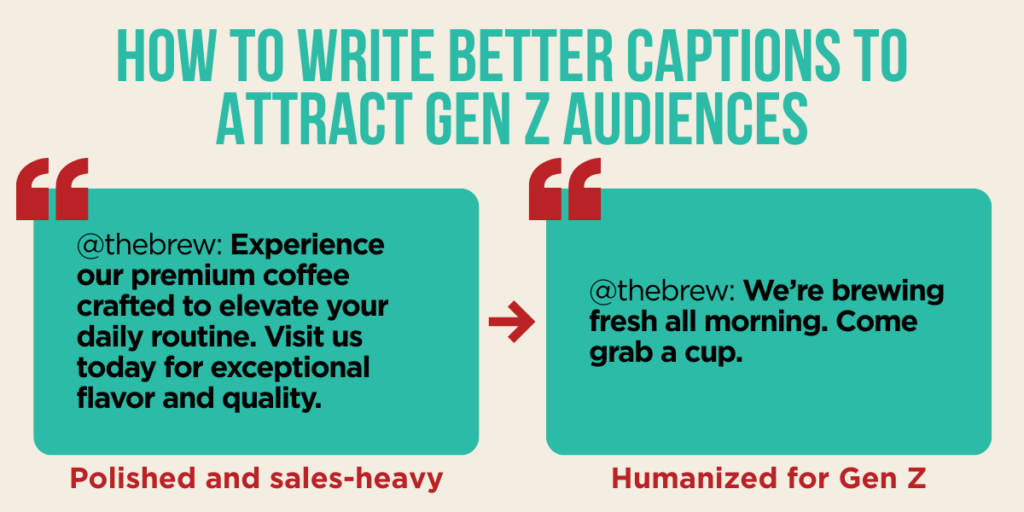
Simple, practical changes can make a noticeable difference. Replace dense, text-heavy promotional graphics with clean, easy-to-read visuals designed for social feeds. Swap sales-heavy captions for conversational ones. Shift from broadcasting messages to starting conversations.
Trust the Experts
Marketing to Gen Z audiences does not require chasing every trend. It requires clarity, authenticity and a willingness to communicate the way younger audiences connect.
At Fiore Communications, we help small businesses navigate this balance with a strategic and transparent approach. From identifying the right platforms to creating content that feels human and intentional, we help brands connect with all audiences — including Gen Z — in ways that support long-term growth.
Ready to reach younger audiences without overcomplicating your marketing? Let’s start the conversation. Call (850) 668-0510 or contact us online to get started today.